Building a Board That Makes a Difference
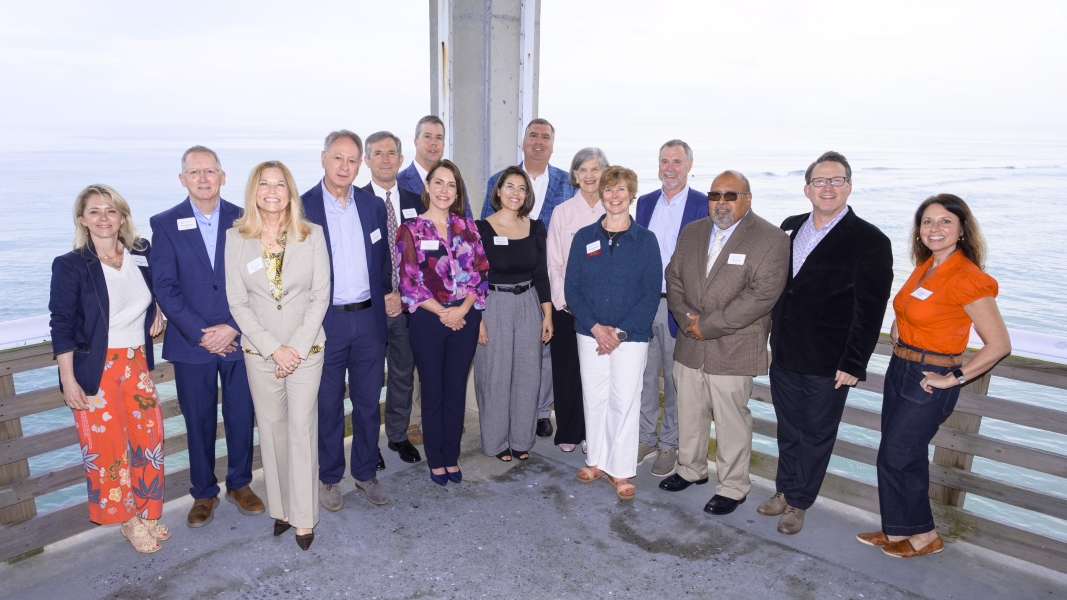
The OBCF Board of Directors
One of the most common conversations we have with local nonprofit leaders centers is about board service. Recruiting dedicated volunteers is challenging enough, but creating a board that remains engaged, informed, and effective over time is often an even bigger hurdle.
Today’s nonprofit environment asks much more of board members than it did a generation ago. Serving on a board is no longer just about attending quarterly meetings or approving budgets. Organizations need thoughtful partners who help guide strategy, champion the mission, strengthen community relationships, and position the nonprofit for long-term success.
So what does an effective board look like today? While every organization is different, thriving boards often share several important characteristics.
They provide meaningful governance.
Good governance goes well beyond showing up. Effective board members prepare for meetings, understand financial reports, ask informed questions, and participate in thoughtful discussions. They recognize that oversight is one of their most important responsibilities and approach it with curiosity, accountability, and a commitment to good stewardship.
They stay focused on mission and vision.
Strong boards help organizations keep their eyes on the bigger picture. They understand why the nonprofit exists, contribute to strategic planning, and help leadership navigate both opportunities and challenges without losing sight of the mission. They also respect the distinction between governance and management, supporting executive leadership while allowing staff to handle day-to-day operations.
They see fundraising as everyone’s responsibility.
Not every board member is comfortable making a direct solicitation—and that’s okay. But every board member can contribute to building a culture of philanthropy.
That might mean making a personally meaningful annual gift, introducing a prospective donor, hosting a small gathering, connecting staff with community leaders, or helping identify future funding opportunities. The strongest boards understand that advancing the organization’s financial health is a shared commitment, not the responsibility of just the executive director or development staff.
They open doors.
Many nonprofits intentionally recruit board members who bring valuable relationships into the organization. Those connections may include local business leaders, family foundations, elected officials, civic organizations, corporate partners, or other community influencers.
Often, one thoughtful introduction can lead to new partnerships, expanded visibility, or future funding opportunities that might not otherwise have happened.
They become trusted ambassadors.
Board members are among an organization’s most credible advocates. Their enthusiasm and authentic stories help build confidence in the nonprofit’s work and encourage others to become involved.
Rather than memorizing a polished “elevator pitch,” encourage board members to speak naturally about why they chose to serve. Personal experiences and genuine passion are often far more compelling than carefully rehearsed talking points. When conversations spark interest, board members can simply connect people with your staff for the next step.
Is your board built for where your organization is headed?
Many nonprofit boards evolve over decades, and the skills or perspectives that were most valuable years ago may not fully reflect what the organization needs today.
Taking time to assess your board’s composition can reveal important opportunities. Are there members with expertise in finance, law, communications, or strategic planning? Do you have individuals who enjoy fundraising or who can introduce the organization to new donors and partners? Does your board reflect the community you serve and the future you envision?
Passion for the mission is essential—but a well-rounded board benefits from a variety of experiences, skills, and networks.
The encouraging news is that boards can grow just as organizations do. Thoughtful recruitment, meaningful orientation, ongoing education, and regular self-assessment all contribute to stronger governance and greater impact.
At the Outer Banks Community Foundation, we’re always glad to be a resource for local nonprofits as they think about board development, fundraising, organizational capacity, and long-term sustainability. If you’d like to talk through ideas or challenges facing your board, we’d welcome the conversation.
About the Outer Banks Community Foundation: The Outer Banks Community Foundation is a 501(c)3 nonprofit organization committed to fostering philanthropy and supporting local causes. Through its charitable funds and grant programs, the Foundation strives to enrich the quality of life for residents of the Outer Banks.